Cold Process Soaps. Food-Grade Oils. No Shortcuts.
When a commercial soap manufacturer removes glycerin from the soap-making process, they are not discarding it. They are selling it separately to cosmetics companies. Glycerin is a humectant that draws moisture to skin, and most mass-market soap bars have had it stripped out. Cold process soap retains it naturally, which is a large part of why handmade soaps feel different. Dhavanam was started in Bangalore by a former IT professional and his wife Sindhu, after six years of refining a cold process formula at home. The trigger was his own persistent skin rashes that no medication could resolve. He left a 20-year career in Dubai to do this properly.
Every Dhavanam bar is made from food-grade oils rather than the cheaper soap-grade oils most manufacturers use, combined with therapeutic-grade essential oils for fragrance. No sulphates, no parabens, no synthetic colour, no synthetic fragrance. Each batch takes a full month to cure. The soaps have been lab-tested before commercial launch.
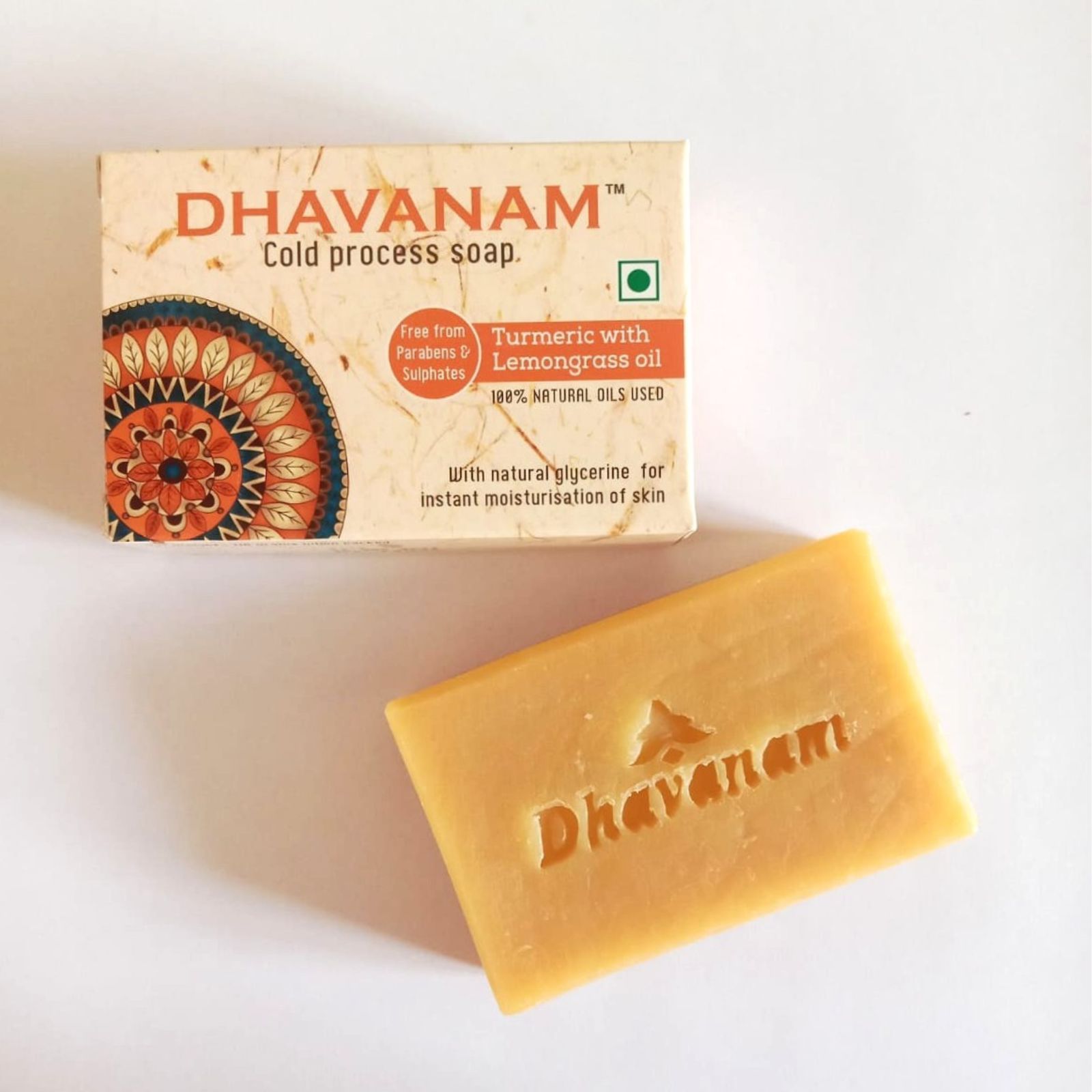
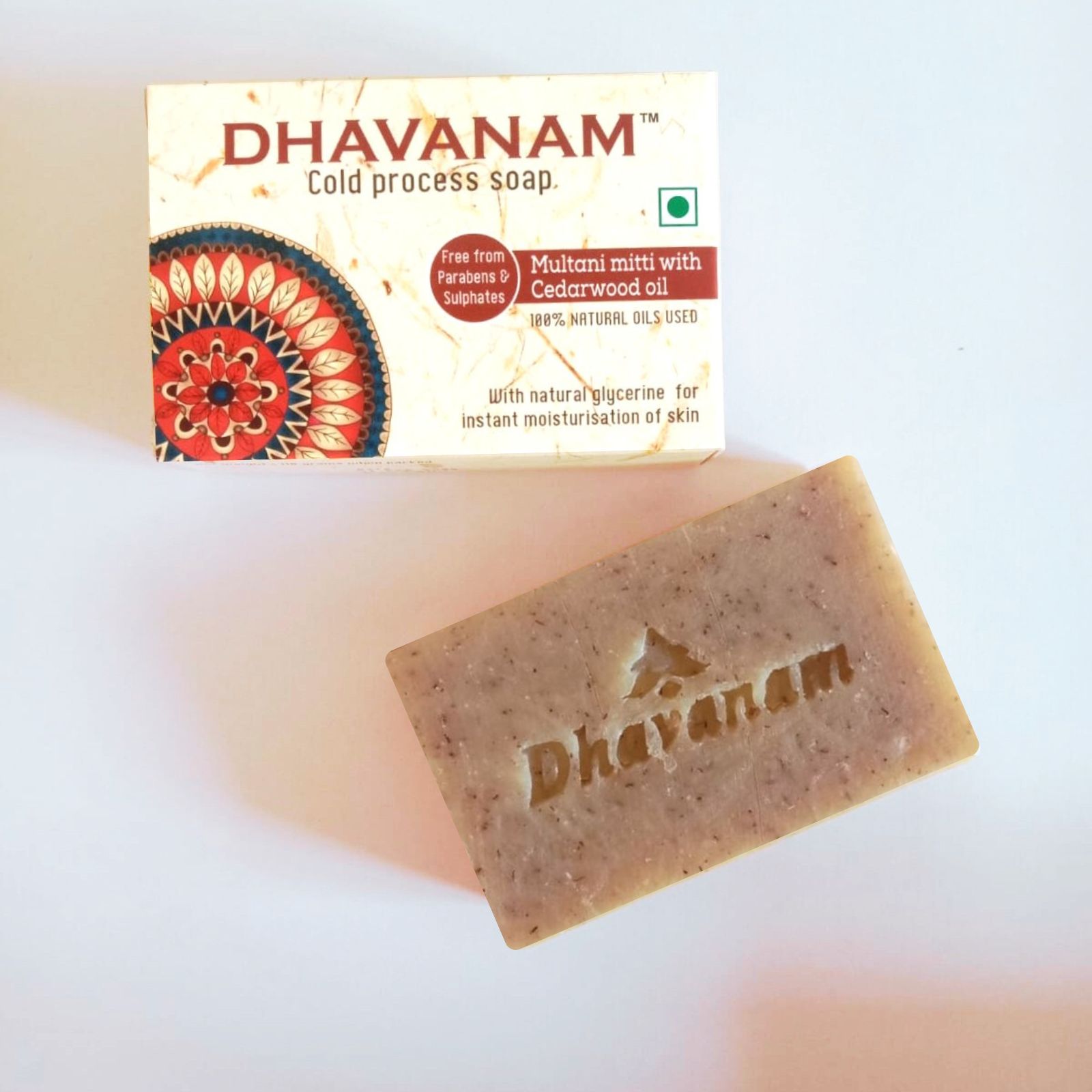
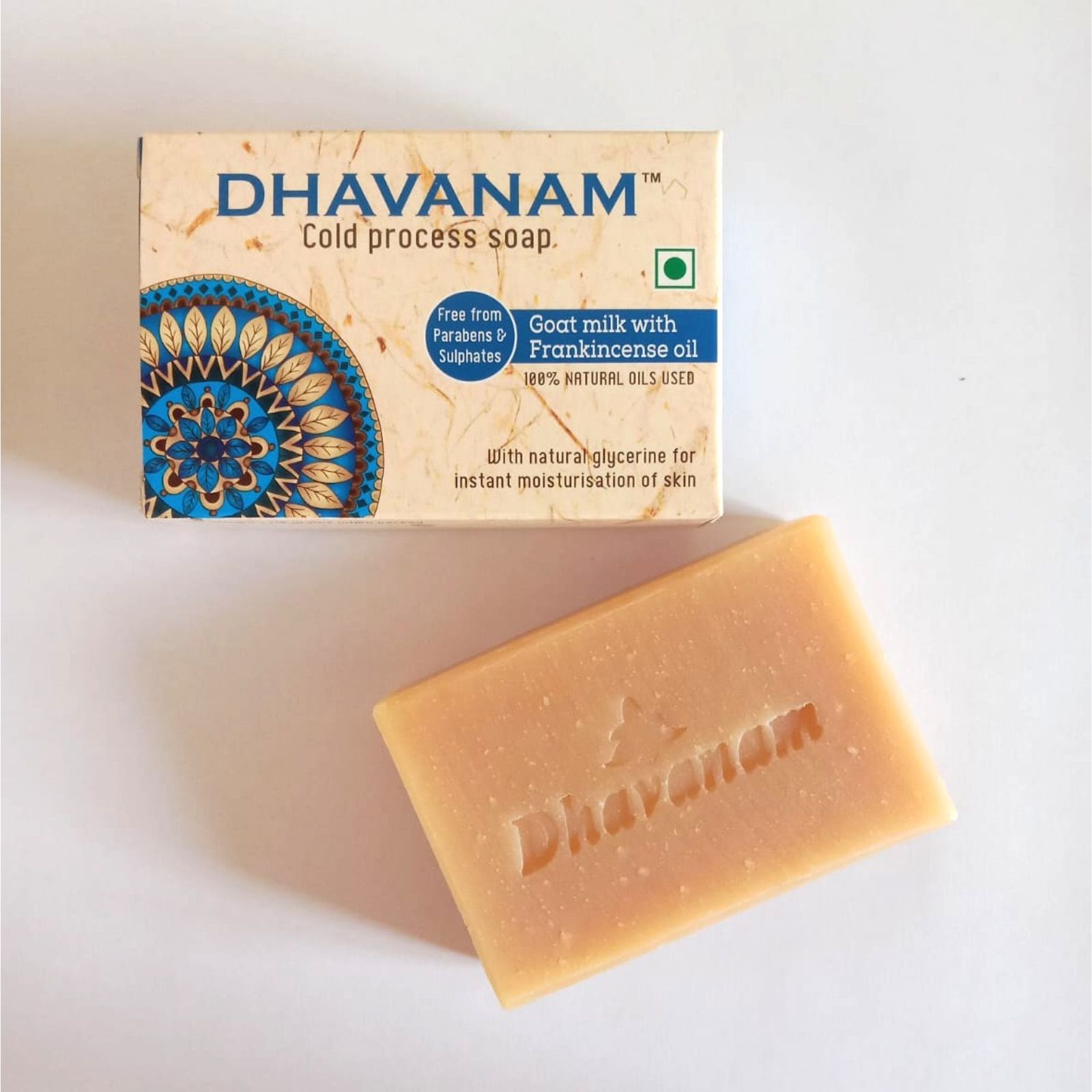
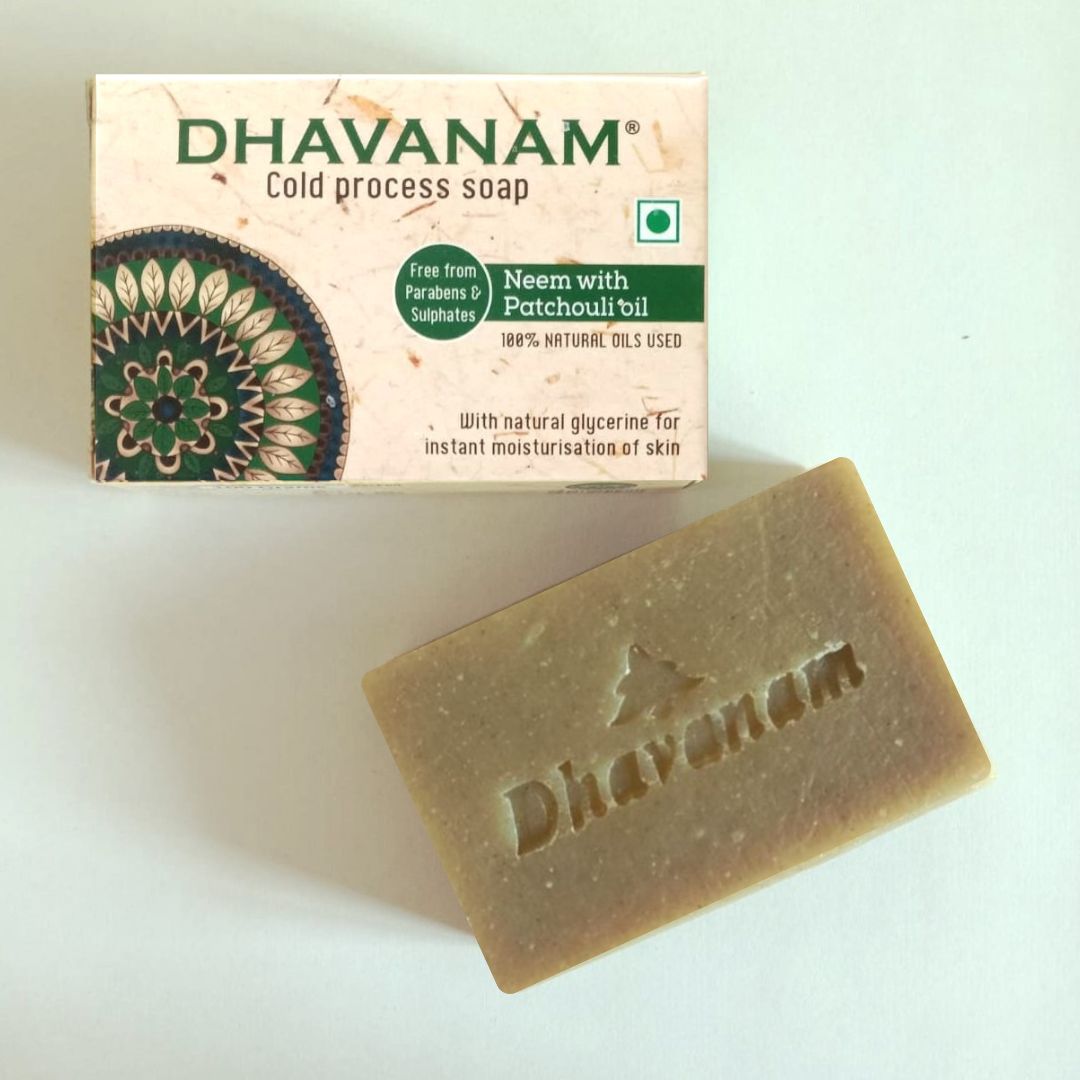
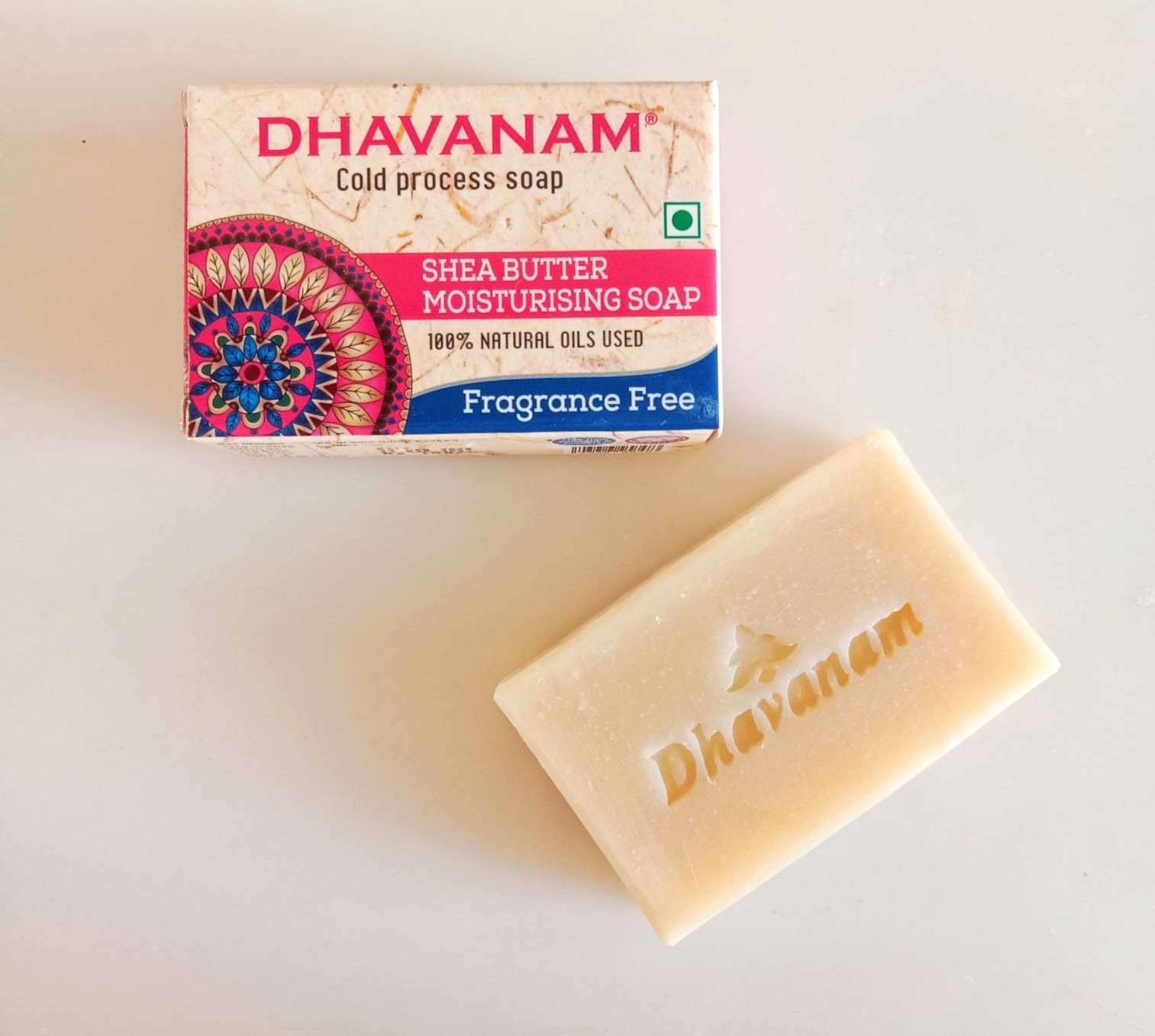
Five variants in the personal care section: fragrance-free Shea Butter for sensitive skin, Turmeric with Lemongrass, Multani Mitti with Cedarwood for oily skin, Goat Milk with Frankincense for dry skin, and Neem with Patchouli. Each in packs of three. Five variants, made slowly, one month per batch. That constraint is the point.
For anyone who has cycled through natural soap after natural soap wondering why their skin still feels tight, the glycerin question is the place to start.