

Organic food is increasingly becoming a staple choice for many Indian families, driven not only by wellness trends but also by long-term health and environmental sustainability.
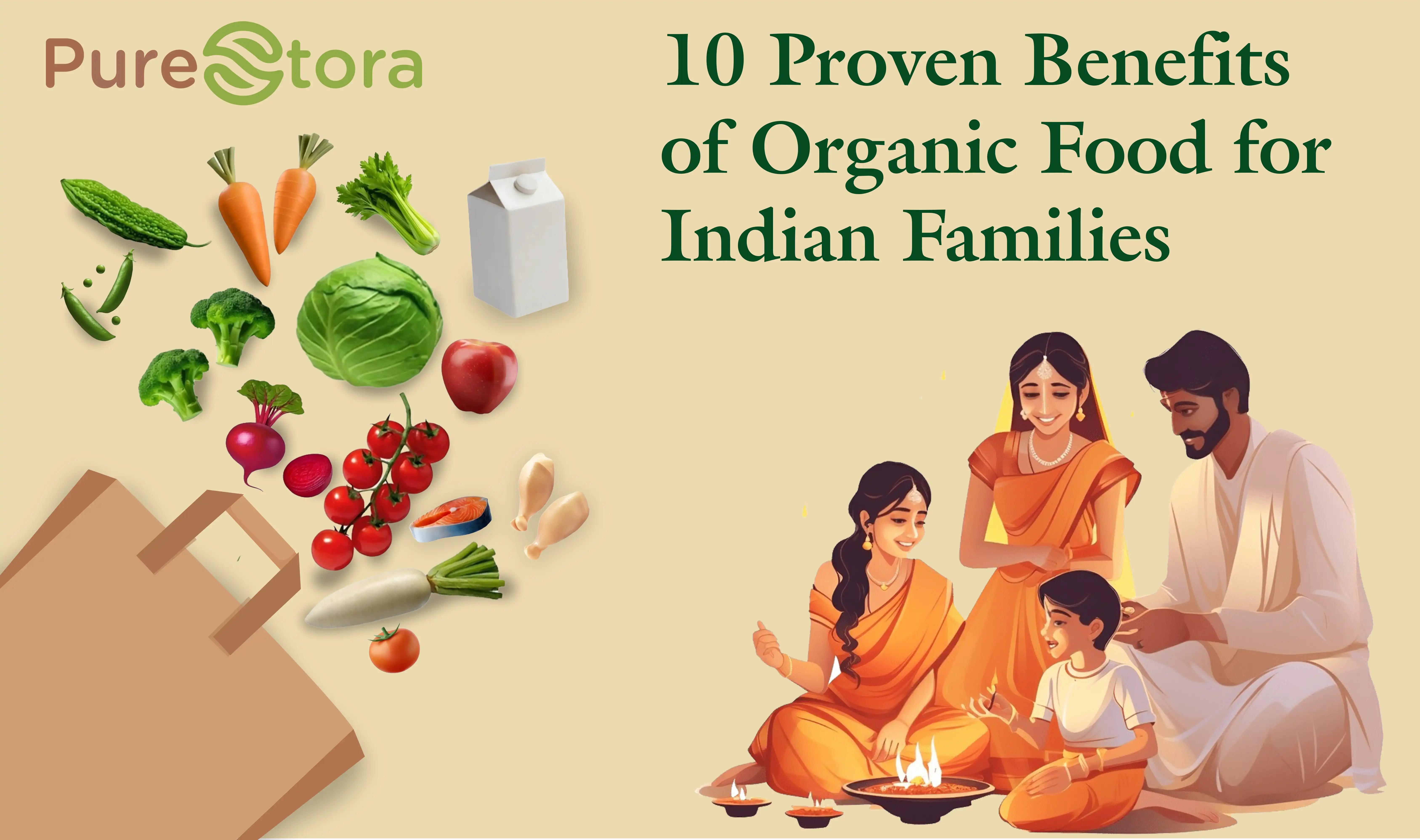
Here are ten proven benefits of making the switch to organic food for your household.
1. Safer for Children
Children are especially vulnerable to pesticide exposure. Organic produce ensures minimal to no synthetic pesticide residues, making it a safer choice for growing kids.
2. Higher Nutrient Content
Studies indicate that organic fruits and vegetables, on average, contain higher levels of antioxidants, vitamin C, and other micronutrients, providing better nourishment.
3. Free from Harmful Chemicals
Organic farming avoids synthetic fertilizers, pesticides, and preservatives which are often linked with lifestyle-related health issues such as allergies and hormonal imbalances.
4. Better Taste and Freshness
Consumers often report that organic fruits and vegetables have improved flavor. The slower and more natural growth cycle contributes to depth of taste.
5. Hormone-Free Milk and Meat
Organic dairy and animal products forbid antibiotic use and growth hormones, ensuring cleaner, safer protein sources for families.
6. Sustainable Agriculture
Choosing organic supports practices that rejuvenate soil and reduce water pollution, ensuring a healthier future for the next generation.
7. Supports Local Farmers
Indian organic farmers often face tough competition against mass-market brands. By choosing organic, families contribute to their growth and survival, encouraging ethical practices.
8. Aligned with Ayurveda
Indian wellness traditions value purity and balance. Organic food reflects these Ayurvedic principles, offering a holistic lifestyle fit for Indian culture.
9. Reduced Risk of Lifestyle Diseases
Long-term consumption of pesticide-free and additive-free food may reduce risks associated with chronic diseases, boosting immunity and wellbeing.
10. Long-Term Value
Though slightly more expensive, the benefits outweigh the costs. Families invest not just in personal health but also in sustainability and ethical living.
Conclusion
For Indian families, switching to organic food is an investment in health, taste, ecology, and future generations. Incorporating even a few regular organic staples into the diet can significantly enhance wellbeing while promoting sustainable agriculture.
Frequently Asked Questions
Q1. Is Organic Food better than regular food?
Yes, organic food is generally considered better as it's grown without synthetic pesticides, GMOs, and harmful chemicals, leading to a cleaner and often more nutritious product.
Q2. Why is organic food costlier in India?
Organic farming involves stricter certification processes, smaller-scale production, and natural pest control methods, which contribute to higher production costs compared to conventional farming.
Q3. How does PureStora ensure the authenticity of its organic products?
PureStora partners directly with certified organic farmers and reputable eco-conscious brands, ensuring all products carry verified Indian organic certifications like NPOP and India Organic.